
 Sir Linus
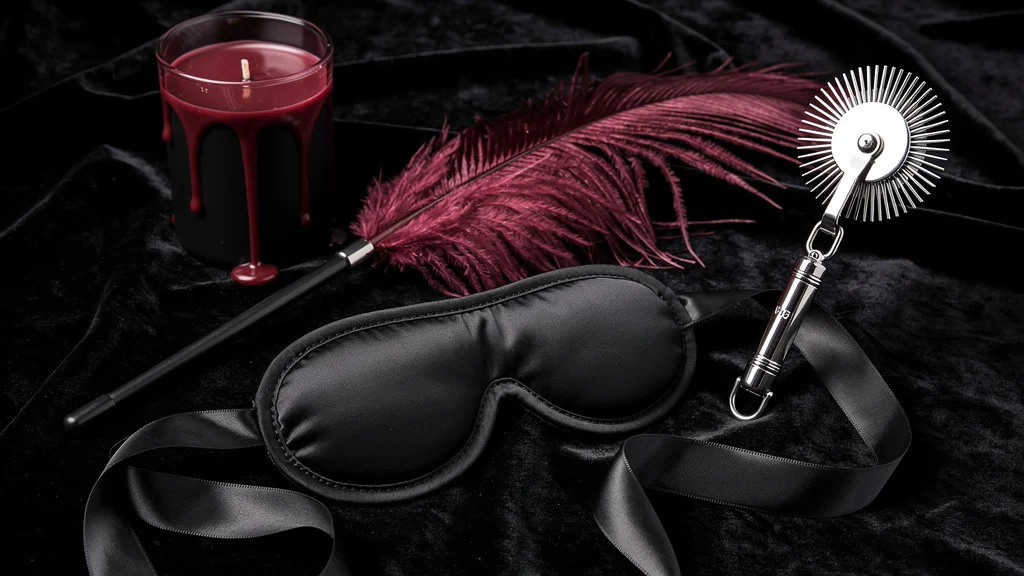
Why Sensory Play?
Of all the tools in a Dominant’s arsenal, sensory equipment occupies the most psychological space.
Impact toys deliver sensation. Restraints remove movement. Gags take voice. But sensory play does something more intimate: it controls perception itself.
A blindfold doesn’t just block vision — it transforms every other sensation. The submissive hears your footsteps with new intensity. Feels your breath before your touch. Anticipates, imagines, fears, craves what they can no longer see.
A pinwheel doesn’t hurt — it confuses. Is this pleasure? Pain? Where will it go next? The body can’t categorize the sensation, so the mind fixates entirely on it.
Temperature play creates impossible contrast. Ice that burns. Heat that soothes. The nervous system processes these paradoxes while you watch the confusion play across their face.
This is the Mindbender’s domain.
While other equipment speaks to the body, sensory tools speak to the mind. They manipulate awareness, amplify presence, and create psychological states that no amount of physical intensity can match.
The Fantasy Factory sells sensory play as “spicing things up.” Feather ticklers marketed next to massage candles. Blindfolds treated like bedroom accessories.
But real sensory control isn’t decoration. It’s dominance made invisible — power that exists in what you take away, what you amplify, what you make uncertain.
Understanding Sensory Play
Before we catalog equipment, understand what sensory play actually does.
Two Types of Sensory Control
Sensory Deprivation: Removing input. Blindfolds, hoods, earplugs, nose clips. When you take away one sense, the others intensify automatically. The submissive doesn’t need to focus — focus becomes involuntary.
A blindfolded submissive feels your touch more acutely because vision can’t compete for attention. They hear your movements because silence becomes unbearable. Their awareness sharpens to compensate for what they’ve lost.
Deprivation creates space. Without visual stimulation, the mind becomes available for other inputs — your voice, your presence, the psychological weight of helplessness.
Sensory Modification: Changing input. Pinwheels, wax, ice, feathers. These don’t remove sensation — they replace expected sensations with unexpected ones.
The body prepares for familiar touch. When it receives something different — sharp instead of soft, cold instead of warm, multiple points instead of flat pressure — the nervous system alerts. Every nerve reports to the brain. The submissive can’t filter it out or habituate to it because it’s constantly novel.
Modification creates intensity without escalation. You don’t need to hit harder or go further. You just need to stay unpredictable.
The Psychology of Sensory Control
Most dominants focus on what they do. The Mindbender understands what the submissive experiences.
When you blindfold someone, you’re not just blocking their eyes. You’re transferring authority over their reality. They can no longer verify what’s happening — they must trust your narration. You become the only source of information about their own experience.
“You’re going to feel something cold.” That statement — simple, declarative — becomes their entire focus. Anticipation builds. Anxiety rises. The actual sensation, when it arrives, carries the weight of everything that came before it.
This is control without force. Dominance without volume. Power that exists in the gap between expectation and experience.
The Fantasy Factory taught you that dominance means doing more, being louder, hitting harder. The Underground knows: sometimes the most intense scenes happen in silence, with tools that barely touch the skin.
Why Sensory Play is Powerful for Dominants
Sensory control requires presence, not performance.
You can’t rely on technique alone — you have to read responses, adjust in real-time, stay psychologically connected to what’s happening in their mind. This develops the core skill every dominant needs: attention.
Pretenders collect gear. Cosplayers perform scenarios. But the dominant who understands sensory play learns to notice: the catch in breathing when you move the pinwheel from expected areas to sensitive ones. The shift in muscle tension when ice approaches versus when it makes contact. The micro-expressions that reveal whether overwhelm is approaching or if they’re sinking deeper.
These skills transfer. Once you learn to read sensory responses, you read everything better. Communication becomes clearer. Negotiations become more nuanced. You stop guessing and start knowing.
The Mindbender Connection
If you tested as a Mindbender in the archetype quiz, sensory play isn’t just equipment — it’s your primary language.
Equipment as Tools for Psychological Outcomes
The Enforcer asks: “What does this toy do?” The Mindbender asks: “What mental state does this create?”
A blindfold doesn’t “block vision.” It creates uncertainty, vulnerability, heightened awareness, and dependency on your guidance. Those are the outcomes you’re purchasing.
A Wartenberg wheel doesn’t “stimulate nerves.” It creates anticipation, confusion between pain and pleasure, hyperawareness of skin, and submission to unpredictable sensation. That’s what you’re actually using it for.
The equipment is just the delivery mechanism. The effect is psychological.
Using Sensory Manipulation for Control
The Mindbender understands: control what they perceive, and you control what they experience.
Anticipation: Tell them what’s coming. Let them imagine it. Let the anticipation build until the actual sensation is almost a relief. Then change what you said you’d do.
You’ve just taught them that their anticipation can’t be trusted — which makes the next announcement even more powerful.
Misdirection: Touch their shoulder while moving the pinwheel down their spine. Their attention follows your hand, but the sensation is elsewhere. The mind fractures between where it expects stimulus and where stimulus actually occurs.
This isn’t trickery. This is training them to stop predicting and start experiencing.
Contrast: Ice immediately followed by warm wax. Feather-soft touch immediately followed by the sharp pinwheel. Their nervous system can’t categorize fast enough, so everything feels more intense than it would in isolation.
Contrast doesn’t require extreme tools. It requires understanding how sensations interact.
Reading Sensory Responses
Equipment is useless without interpretation.
Watch for:
- Breathing changes — faster when anxious, slower when sinking into subspace, held when anticipating
- Muscle tension — bracing indicates fear or discomfort, relaxing indicates trust or deepening
- Vocalizations — pitch rises with stress, drops with pleasure, becomes rhythmic in subspace
- Stillness vs movement — voluntary stillness shows obedience, involuntary stillness shows freeze response
The Pretender applies tools mechanically. The Mindbender reads responses and adjusts accordingly. One is following a script. The other is conducting a conversation — where sensations are sentences and responses are replies.
Equipment Categories & Selection
Now we catalog tools. But remember: these aren’t purchases. They’re psychological instruments.
1. Blindfolds
The gateway to sensory control. Accessible, intuitive, instantly transformative.
Types:
Silk/Satin Blindfolds: Soft, lightweight, classic aesthetic. Blocks most light but not all — you can still see light/dark shifts through closed eyelids.
What they express: Gentle deprivation. Romantic darkness. Introduction to surrender without intensity.
Best for: First sensory play scenes. Submissives who need comfort with their vulnerability. The Guide’s tool for teaching trust.
Leather Blindfolds: Heavier, more complete darkness, more dominant aesthetic. Quality leather molds to the face, blocking light entirely.
What they express: Serious control. Weight and warmth against skin. The visual itself communicates intention.
Best for: Experienced dynamics. Ritualists who want ceremony in application. Dominants who want the blindfold to feel significant, not decorative.
Padded/Sleep Mask Style: Contoured padding blocks light completely while remaining comfortable for extended wear.
What they express: Functional deprivation. Comfort that enables long-term use.
Best for: Extended scenes (30+ minutes). Sleep restraint scenarios. Situations where comfort allows for deeper psychological exploration.
Blackout Blindfolds: Complete light deprivation using multiple layers, padding, or specialized design.
What they express: Total visual control. Absolute darkness creates profound disorientation.
Best for: Experienced submissives. Mindbenders who want complete control over visual reality. Sensory deprivation as primary scene focus.
Material Comparison
| Material | Light Blocking | Comfort | Aesthetic | Cleaning |
|---|---|---|---|---|
| Silk/Satin | 70-80% | High | Elegant | Hand wash |
| Leather | 90-95% | Medium | Commanding | Leather cleaner |
| Padded | 95-99% | High | Functional | Surface wipe |
| Blackout | 100% | Medium | Intense | Varies by design |
Archetype Fit
Guide: Silk blindfolds for gentle introduction Mindbender: Any type — the psychological impact matters more than the material Ritualist: Leather blindfolds with ceremony in application Enforcer: Blackout hoods for complete control
Practical Application: Your First Blindfold Scene
-
Pre-scene negotiation: “I want to use a blindfold during our next scene. It will heighten your other senses and help you focus on sensation rather than expectation. We’ll start with 10-15 minutes. Your safe word stays the same, and if you need it off immediately, just say so.”
-
Application: Make the moment deliberate. Don’t just slap it on. Hold it in front of them. Let them see it. “When I put this on, you give me control of what you see. Do you consent?” Wait for verbal yes.
-
Adjustment period: Once applied, give them 30-60 seconds to adjust. Don’t rush to the next sensation. Let them experience the darkness. The anticipation is already working.
-
Narration: “I’m going to touch your shoulder now.” Simple. Clear. Then do it. Build trust that your narration is accurate before you start playing with misdirection.
-
Progressive intensity: Start with expected touch. Then add unexpected elements (different textures, temperatures, locations). Watch how they respond. Adjust based on what you observe.
-
Removal: “I’m going to remove the blindfold now. When I do, keep your eyes closed for a moment and adjust slowly.” Bright light after total darkness is disorienting.
-
Debrief: “How did that feel? What surprised you? What would you want more of?” Always debrief sensory play. Their feedback is training data for your development.
2. Hoods & Sensory Deprivation
Where blindfolds introduce visual deprivation, hoods commit to it.
Types:
Leather Hoods (Basic): Cover the head with openings for nose/mouth. May include built-in blindfold panel or separate eye covering.
What they express: Transformation. The submissive’s face disappears. Identity becomes secondary to role.
Best for: Objectification scenes. Pet play. Dynamics where removing individual identity serves the power exchange.
Sensory Deprivation Hoods: Padded hoods designed specifically to limit sight and sound. Usually include removable blindfold and ear padding.
What they express: Complete isolation. The outside world fades. Only your presence remains.
Best for: Mindbenders focused on psychological isolation. Extended deprivation scenes. Creating mental space for deeper submission.
Isolation Hoods: Full sensory deprivation including sealed eyes, reduced hearing, and often breathing restriction (via small nose holes only).
What they express: Extreme control. Total surrender of sensory autonomy.
Best for: Advanced practitioners only. Requires extensive trust and experience. Not for beginners regardless of confidence level.
Gas Mask Style: Industrial aesthetic with breathing restrictions controlled by filter placement or hose attachments.
What they express: Dehumanization. Medical/industrial roleplay. Breath control.
Best for: Specific aesthetics or breath play dynamics. Advanced equipment requiring technical knowledge.
Safety Considerations (CRITICAL)
Hoods restrict breathing more than any other sensory equipment. This is not optional reading.
Never:
- Leave a hooded submissive unattended for any reason
- Use hoods on anyone with respiratory issues
- Use hoods on anyone under influence of substances
- Ignore signs of distress (panicked movement, color change, labored breathing)
Always:
- Establish non-verbal safe signals before hood application
- Keep EMT scissors immediately accessible
- Monitor breathing constantly — watch chest movement
- Start with shorter durations (10-15 minutes) and build gradually
- Check in verbally every 5-10 minutes if speech is possible
Time limits:
- Basic hoods (open face): 20-30 minutes
- Sensory deprivation hoods: 15-20 minutes
- Isolation hoods: 10-15 minutes maximum
- Any hood with breathing restriction: 5-10 minutes with constant monitoring
Panic signals: You need a clear, unmistakable signal that means “remove this NOW.” Three rapid hand taps. Dropping a held object. Specific hand position. Something they can do even if disoriented or panicking.
Test the signal before the hood goes on. Practice removing the hood quickly. This isn’t paranoia — this is competence.
Archetype Fit
Mindbender: Primary tool for psychological isolation Enforcer: Objectification and control Ritualist: Ceremonial transformation Guide: Rarely used (deprivation exceeds teaching focus) Commander: Specific use in protocol scenarios
Practical Application: Introducing Sensory Deprivation Safely
Don’t jump straight to full hoods. Build gradually:
Week 1: Blindfold only for 15 minutes Week 2: Blindfold + earplugs for 10 minutes Week 3: Basic hood (face open) for 10 minutes Week 4: Sensory deprivation hood for 10 minutes Week 5+: Extend durations based on comfort
This isn’t about “levels” or “graduating.” It’s about building trust that you know how to manage their safety while they can’t manage it themselves.
3. Wartenberg Wheels & Pinwheels
Originally a medical tool for testing nerve sensitivity. Now a staple of sensation play.
What they are: A wheel (or multiple wheels) of sharp pins mounted on a handle. When rolled across skin, the pins create a prickly, sharp sensation without breaking skin.
Types:
Single Wheel: One wheel, classic design. Allows for precise control and intentional pacing.
Dual/Triple Wheel: Multiple wheels cover wider area. Creates more intense sensation across more nerves simultaneously.
Materials:
Stainless Steel: Medical grade. Can be sterilized. Heavy, cold to touch. The traditional choice.
Chrome: Shinier aesthetic. Lighter than steel. Cannot be autoclaved but can be sanitized with appropriate cleaners.
Plastic: Disposable or budget option. Less intimidating visually. Cannot create the same sharp sensation as metal.
Body Mapping and Nerve Play
The pinwheel’s power comes from where you use it, not how hard.
High-sensitivity areas (intense sensation with light pressure):
- Inner thighs
- Underarms
- Soles of feet
- Lower back (along spine)
- Inner arms
- Neck and shoulders
- Behind knees
Medium-sensitivity areas:
- Abdomen
- Chest (avoid nipples directly with pinwheel)
- Upper thighs (outer)
- Buttocks
- Upper arms
Low-sensitivity areas (require more pressure for effect):
- Outer thighs
- Calves
- Upper back (away from spine)
- Shoulders (muscled areas)
Never use pinwheel on:
- Face (especially eyes)
- Genitals directly
- Anywhere with broken skin
- Over bony prominences (can hurt in the wrong way)
Enhancement Techniques
Temperature: Chill the pinwheel in ice water before use. The cold metal plus the sharp sensation creates compound intensity.
Warm the pinwheel in hot water. The warmth confuses the nervous system — sharp sensation should be cold, but this is warm. Confusion intensifies awareness.
Pressure variation: Start with barely-touching pressure. Let them feel the pins without pain. Build pressure gradually. Retreat to light pressure. The variation keeps their nervous system alert.
Speed variation: Roll slowly — each pin becomes individually noticeable. Roll quickly — the sensation blurs into one continuous line of sharpness.
Blindfold combination: Without vision, they can’t anticipate where the pinwheel will go next. Every touch becomes a surprise. Anticipation magnifies sensation.
Archetype Fit
Mindbender: Primary tool for unpredictable sensation and nerve play Enforcer: Used for intense sensation during discipline Guide: Teaches sensation tolerance progressively Ritualist: Incorporated into ceremonial sensation sequences Commander: Precise control over specific nerve pathways
Practical Application: Progressive Pinwheel Scene
Phase 1 — Introduction (5 minutes): Show them the pinwheel. Let them see it, hold it, feel it against their palm (least sensitive area). Demystify it before you use it.
Phase 2 — Predictable Application (10 minutes): Blindfold them. Tell them where you’ll use it. “I’m going to roll this down your arm now.” Do exactly what you said. Build trust that the sensation, while intense, is controlled and predictable.
Phase 3 — Unpredictable Application (10 minutes): Stop narrating. Move the pinwheel to unexpected areas. Vary pressure. Change speed. Watch their responses. This is where the psychological component begins — they can’t predict, so they must surrender to sensation.
Phase 4 — Integration (5 minutes): Combine with other sensations. Pinwheel followed by soft touch. Ice followed by pinwheel. Contrast makes both sensations more intense.
Phase 5 — Debrief: Remove blindfold. Ask: “Which areas felt most intense? What did you like? What was too much?” Collect data for next scene.
4. Wax Play Equipment
Controlled heat applied to skin. The sensation isn’t what most people expect.
Candle Types:
Low-Temperature Massage Candles: Specially formulated to melt at lower temperatures (110-120°F / 43-49°C). Designed for skin contact.
Materials: Usually soy-based or specific blends. Melt into massage oil.
What they express: Sensual warmth. Comfort-focused sensation.
Best for: First wax play experiences. Submissives nervous about heat. The Guide’s introduction to temperature play.
Paraffin Candles: Traditional candle wax. Burns hotter (125-135°F / 52-57°C) than massage candles but still safe for skin contact at proper distance.
What they express: More intense heat. Traditional wax play experience.
Best for: Experienced wax play. Mindbenders who want the anticipation of “real” heat.
Soy Candles: Burns cooler than paraffin (110-125°F / 43-52°C). Cleaner burning, easier cleanup.
What they express: Eco-friendly option with moderate heat.
Best for: Sensitive skin. Longer wax play sessions.
Beeswax: Burns hottest (135-145°F / 57-63°C). Requires most caution and distance control.
What they express: Intense, serious heat play.
Best for: Advanced practitioners only. Not recommended for beginners.
Temperature Comparison Chart
| Wax Type | Temperature | Pain Level | Best Use |
|---|---|---|---|
| Massage Candles | 110-120°F | 1-2/10 | Beginners, sensual scenes |
| Soy | 110-125°F | 2-4/10 | Standard wax play |
| Paraffin | 125-135°F | 4-6/10 | Traditional wax play |
| Beeswax | 135-145°F | 6-8/10 | Advanced only |
Safety Protocols and Preparation
Before you light any candle:
Skin check: No open wounds, recent sunburn, or skin conditions in the area you’ll use. Wax adheres to damaged skin differently and can cause injury.
Patch test: Test temperature on your own skin first. Your inner wrist is more sensitive than most body areas — if it’s tolerable there, it’s likely safe for use.
Surface protection: Lay down waterproof material. Wax cleanup is annoying — prevent it rather than manage it.
Hair considerations: Avoid areas with significant body hair unless you enjoy the experience of wax removal (some do; establish this in negotiation).
Distance and Pour Techniques:
Height determines intensity:
- 12-18 inches: Wax cools in air, arrives warm but not painful. Standard distance.
- 6-12 inches: Hotter, more intense sensation. For experienced recipients.
- Under 6 inches: Very hot. Advanced only. High risk of burns.
Never pour directly from flame level. Always allow some cooling distance.
Pour technique: Start with small drops. Test one area before committing to larger pours. Watch their reaction. Adjust height based on response.
Don’t pour:
- Over face, eyes, ears
- On genitals (specialized candles exist for this; standard candles are not safe)
- On nipples directly (surrounding area is fine)
- Over large areas continuously (creates heat buildup)
Archetype Fit
Ritualist: Ceremonial wax application with intentional patterns Mindbender: Anticipation and heat-based psychological play Guide: Teaching progressive heat tolerance Enforcer: Discipline-focused heat application Sensualist: Massage candles for sensation-focused intimacy
Practical Application: First Wax Play Session
Setup:
- Choose soy or massage candles
- Protect surface with waterproof sheet
- Have cool, damp cloth nearby for immediate cooling if needed
- Establish safe word/signal
- Negotiate which body areas are acceptable
Execution:
- Light candle and let it develop a wax pool (2-3 minutes)
- Test on yourself first at intended height
- Pour single drop on low-sensitivity area (shoulder, upper back)
- Wait for their reaction
- If positive, continue with small drops, gradually moving to more sensitive areas
- Vary location to prevent heat buildup in one spot
- Watch for skin redness indicating too much heat accumulation
Cleanup: Let wax cool and harden. Peel off gently. Use oil to remove residue (massage this in — aftercare and cleanup combined).
Debrief: “How was the heat level? Did any spots feel too intense? What did you like most about the sensation?“
5. Temperature Play Tools
Wax is heat in one specific form. Temperature play is an entire category.
Ice Cubes and Ice Implements:
Simple ice cubes: Easily accessible. Intense cold sensation. Melt quickly on warm skin.
What they express: Sharp, undeniable sensation. Immediate and unambiguous.
Frozen metal: Spoons, pinwheels, or specific toys frozen before use. Colder than ice water and maintains temperature longer.
What they express: Sustained cold. The metal conducts temperature more efficiently than ice alone.
Popsicles/frozen items: Creates messy, wet scenes with temperature element.
What they express: Playful degradation (if that serves your dynamic).
Heated Implements:
Warmed metal or glass: Heat in water bath before use. Provides sustained warmth without the mess of wax.
What they express: Comfort heat, or if hot enough, intense warmth.
Warm oil: Heated massage oil provides sustained warmth plus tactile pleasure.
What they express: Sensual, comfort-focused heat.
Glass and Metal Toys for Temperature:
Glass dildos, metal plugs, or other insertables can be heated or cooled for internal temperature play.
Safety: Test temperature on sensitive skin (inner wrist) before internal use. What feels warm in your hand may feel burning internally.
Contrast Techniques (Hot/Cold Alternation)
The power of temperature play comes from contrast, not extremes.
The Contrast Effect: After ice, warm touch feels hot. After heat, room temperature feels cool. Your hand becomes a temperature toy without being either temperature.
Application sequence:
- Ice cube down the spine
- Wait 30 seconds
- Warm palm on the same path
- The warm hand feels incredibly hot despite being body temperature
Rapid alternation: Ice on left thigh, warm on right thigh. The brain processes both simultaneously. The contrast is more intense than either sensation alone.
Misdirection: Tell them you’re going to use ice. Use warmth. The anticipation was for cold; the arrival of heat creates confusion and heightened response.
Archetype Fit
Mindbender: Primary archetype for contrast and psychological temperature play Guide: Gentle introduction to temperature sensations Sensualist: Warmth-focused comfort and pleasure Enforcer: Intense cold for discipline
Practical Application: Temperature Contrast Scene
Equipment needed:
- Bowl of ice water
- Bowl of warm water (not hot — test first)
- Towels for drips
- Metal spoon or similar implement
Scene structure:
- Blindfold (temperature is more intense without vision)
- Establish baseline: “I’m going to touch your shoulder with my hand.” Room temperature reference point.
- Dip spoon in ice water, shake off excess, apply to skin
- Wait 15-30 seconds (let them fully experience the cold)
- Dip same spoon in warm water, apply to same spot
- Watch their reaction to the contrast
- Alternate unpredictably across different body areas
- End with room-temperature touch to recalibrate their senses
6. Ticklers & Texture Tools
Where pinwheels create sharp precision, ticklers create soft uncertainty.
Types:
Feather Ticklers:
Small feathers (6-12 inches): Precise application. Can target specific areas.
Large feathers (12-24 inches): Broad strokes. Cover more skin surface per pass.
Ostrich feathers: Softest texture. Barely-there sensation.
Peacock feathers: Firmer spine, different texture. More noticeable sensation.
What they express: Teasing. Gentle torment. Anticipation without payoff.
Best for: Building arousal without release. Mindbenders who understand that soft can be more torturous than sharp.
Fur Mitts and Sensory Gloves:
Fur mitts: You wear them. Your hands become texture tools.
What they express: Transformation of your touch. Every stroke becomes textured rather than skin-on-skin.
Spiked or textured gloves: Rubber nubs, small spikes, or textured surfaces create sensation with every touch.
What they express: Your hands as weapons. Every caress has an edge.
Dual-Purpose Ticklers:
Feather on one end, pinwheel on the other: Contrast tool. Soft and sharp in one implement.
What they express: Unpredictability. They can’t anticipate which end you’ll use.
Combining with Sensory Deprivation
Ticklers are dramatically more effective when the submissive is blindfolded.
Without vision, soft touch becomes maddening. They can’t see where it’s going next. They can’t predict when it will stop. The anticipation between strokes becomes as intense as the strokes themselves.
The Mindbender’s technique: Feather stroke across skin. Pause. Don’t touch them. Let them anticipate the next stroke. Wait longer than they expect. The absence of sensation becomes its own form of torment.
Then switch to the pinwheel without warning.
Archetype Fit
Mindbender: Primary tool for anticipation and teasing Guide: Gentle sensation introduction Sensualist: Pleasure-focused texture play Ritualist: Incorporated into ceremonial sensation sequences
Practical Application: Anticipation Building with Ticklers
Setup:
- Blindfold
- Restraints (prevents them from blocking or predicting with their hands)
- Feather tickler
- Patience (this is a slow scene)
Technique:
- Apply restraints and blindfold
- Show them the feather first (before blindfold): “This is what I’m going to use.”
- Once blindfolded, don’t touch them for 30-60 seconds. Let them anticipate.
- Single feather stroke across collarbone
- Remove contact. Wait 20-30 seconds.
- Next stroke on completely different area (inner thigh)
- Continue unpredictably: long pauses, varied locations, inconsistent pressure
- Watch for fidgeting, whimpering, tension — signs that anticipation is becoming torment
- After 10-15 minutes, switch to more intense sensation (pinwheel, ice, whatever follows in your scene plan)
The feather isn’t the scene. The waiting is the scene. The feather just makes the waiting tangible.
7. Advanced Sensory Equipment
Once you’ve mastered basic sensory tools, these expand your capability.
Spiked Sensory Mitts:
Gloves with metal spikes or hard rubber nubs. Your hands become texture and pressure tools simultaneously.
What they express: Transformation of touch into sensation delivery.
Use case: Running hands across skin creates trails of sensation. Gripping creates intense pressure points. Your hands retain expressiveness while adding intensity.
Sound Deprivation:
Earplugs: Simple. Effective. Removes auditory input.
Headphones with white noise: More complete sound blocking. Can also be used to play specific sounds you choose.
What this creates: Without sound, the submissive’s internal dialogue becomes louder. Or they sink into profound silence. Either way, your voice becomes the only external input — which gives your words disproportionate power.
Scent Manipulation:
Essential oils: Specific scents create psychological states. Lavender for relaxation. Peppermint for alertness. Vanilla for comfort.
Scent deprivation: Nose clip or breathing through mouth only (never both simultaneously — that’s breathing restriction, different category).
What this creates: Smell influences emotion more directly than any other sense. Control smell, and you influence their emotional state without them realizing why.
When to Progress to Advanced Equipment:
Not when you’ve “mastered” basics. When your dynamic specifically requires what advanced equipment offers.
If your scenes already achieve what you want psychologically, you don’t need more tools. If you’re seeking specific effects that basic equipment can’t create — then advance deliberately.
Archetype-Based Equipment Selection
Your dominant archetype determines which sensory tools feel like extensions of your authority.
The Enforcer
Primary tools:
- Pinwheels (sharp, intense, clear sensation)
- Ice (undeniable, uncompromising cold)
- Blackout blindfolds (total control)
Why: The Enforcer’s dominance is unambiguous. Your sensory tools should match — clear, direct, intense. No softness unless it’s strategic contrast before returning to intensity.
Scene approach: Progressive intensity. Start noticeable, build to intense. The submissive should feel your authority through increasing sensation, not through uncertainty.
The Guide
Primary tools:
- Silk blindfolds (gentle introduction)
- Massage candles (safe temperature play)
- Feather ticklers (non-threatening sensation)
Why: You’re teaching them to experience sensation, not overwhelming them with it. Your tools should be accessible, comfortable, and allow for gradual escalation as they develop tolerance.
Scene approach: Educational. Explain what you’re using, what it will feel like, check in frequently. Build confidence through positive progression.
The Mindbender
Primary tools:
- Everything. The tool matters less than how you use it.
- Blindfolds + unpredictable implements
- Temperature contrast
- Ticklers for psychological torment
- Sensory deprivation hoods
Why: Your dominance is psychological. The equipment creates mental states — uncertainty, anticipation, confusion between sensations. You’re not delivering sensation; you’re manipulating perception.
Scene approach: Unpredictable. Misdirection. Tell them one thing, do another. Create anticipation, then subvert it. Use pauses as intensely as stimulation. The scene happens in their mind; the equipment just gives their mind something to focus on.
The Ritualist
Primary tools:
- Leather blindfolds (ceremonial application)
- Wax play (ritual pattern creation)
- Implements with aesthetic weight and significance
Why: Your dominance expresses through ceremony. The selection of tools, the preparation, the application — all of it is protocol. The tool itself carries meaning beyond its function.
Scene approach: Deliberate. Each implement is chosen for reason. Each application follows sequence. The submissive experiences not just sensation but participation in ritual.
The Commander
Primary tools:
- Precise implements (single-wheel pinwheel)
- Measured temperature tools
- Equipment that delivers exactly what you specify
Why: Your dominance is about control and precision. You don’t want unpredictable or variable tools. You want equipment that does exactly what you command it to do.
Scene approach: Directive. “You’ll feel ten strokes of the pinwheel across your back.” Then deliver exactly ten, exactly where specified. Your authority comes from precision, not surprise.
Building Sensory Scenes
Equipment is useless without structure. Here’s how to construct sensory scenes that achieve psychological goals.
Escalation Arcs (Gentle to Intense)
The Mistake: Starting intense and trying to go further. You run out of “more” quickly, and the scene plateaus or requires extremes to maintain interest.
The Method: Start below their threshold. Build gradually. The journey from subtle to intense creates more psychological impact than starting at intensity.
Example Arc:
Phase 1 — Baseline (5 min): Normal touch. Establish trust and baseline sensation. They know what your hands feel like normally.
Phase 2 — Introduction (10 min): Blindfold. Touch continues but now they can’t see. Same sensation, new context. Awareness increases.
Phase 3 — Texture (10 min): Introduce feather. Soft, non-threatening, but different. Nervous system starts alerting to novelty.
Phase 4 — Contrast (10 min): Add ice or warmth. Now there’s clear sensation, not just texture. Nervous system fully engaged.
Phase 5 — Intensity (10 min): Pinwheel or other sharp sensation. After all the buildup, even moderate pressure feels intense because they’ve been primed for escalation.
Phase 6 — Integration (5 min): Combine tools. Ice, then pinwheel on the same cold skin. Feather immediately after sharp sensation. The contrast makes everything more intense.
Total scene: 50 minutes. Never went to “extreme” tools. Achieved intensity through progression.
Combining Equipment for Layered Experiences
Single-tool scenes are training. Multi-tool scenes are performance.
The Layering Principle: Each new tool changes the context of previous tools.
Example:
- Blindfold alone: They adjust after a few minutes
- Blindfold + earplugs: Now they can’t compensate with hearing
- Blindfold + earplugs + restraints: Now they can’t even orient themselves with movement
- Add sensation tools: They have no way to manage or predict what’s coming
Each layer removes one more coping mechanism. The sensation tools become more intense because there’s nothing left to distract from them.
The Practical Limit: Don’t layer just to layer. Each addition should serve the psychological goal. Too much stimulus becomes white noise — the brain shuts down instead of sharpening.
Effective combinations:
Deprivation + Modification: Blindfold + pinwheel. The lack of vision makes the pinwheel more intense.
Restraint + Sensation: Tied hands + temperature play. Can’t block or predict with their hands. Must accept whatever sensation arrives.
Multiple Sensations: Ice on one side of body, heat on the other. Brain processes both simultaneously. More intense than either alone.
Timing and Pacing for Psychological Impact
Fast pacing: Rapid sensation changes. No time to adjust or anticipate. Creates overwhelm and intensity.
Use when: Building to climax, creating sensory overload, demonstrating control through intensity.
Slow pacing: Long pauses between sensations. Time to anticipate, imagine, fear the next contact.
Use when: Building psychological tension, teaching submission to uncertainty, Mindbender-focused scenes.
The Powerful Combination: Start slow (build anticipation). Accelerate to fast (create overwhelm). Return to slow (they expect continuation, but you pause). Now the slow pacing feels more intense because they’re still in “fast” headspace.
Example timing:
Stroke with feather. Wait 30 seconds. Stroke again. Wait 45 seconds. Stroke. Wait 20 seconds. (Variable timing prevents prediction.)
Then: Pinwheel rapidly across back, sides, thighs — 30 seconds of continuous sensation.
Then: Stop completely. 60 seconds of nothing.
The final pause feels longer than 60 seconds because their nervous system is still at “rapid” pace.
Contrast Techniques
Soft/Sharp: Feather immediately followed by pinwheel on same area. The contrast makes both more intense.
Hot/Cold: Covered extensively in temperature play section. The classic contrast.
Predictable/Unpredictable: Tell them what’s coming. Do it exactly as described three times. Fourth time, do something completely different. You’ve trained them to expect accuracy, then violated it. The unpredictability becomes more jarring because you established predictability first.
Presence/Absence: Touch constantly for five minutes. Then don’t touch at all for three minutes. The absence becomes as intense as the presence was. Their entire focus shifts to waiting for the next touch.
Reading Partner Responses
Equipment doesn’t have a “correct” effect. It has the effect your partner is experiencing. Learn to read that.
Positive deepening:
- Breathing slows and deepens
- Muscles relax progressively
- Vocalizations become rhythmic, lower-pitched
- Voluntary stillness (they choose not to move)
- Eyes closed or unfocused even if not blindfolded
Approaching limits:
- Breathing becomes irregular or rapid
- Muscles tense and hold
- Vocalizations become higher-pitched or stop entirely
- Involuntary movement increases
- Body language becomes protective (curling, pulling away)
Distress:
- Breath holding or hyperventilation
- Color change (pale or flushed)
- Shaking unrelated to cold
- Safe word or signal
- Verbal “no,” “stop,” or “wait”
Your responsibility: Notice which. Respond appropriately. Don’t rely on them to use safe words if you’re observing distress signals. Check in: “How are you doing?” Let them answer. Adjust based on reality, not your plan.
Adapting Mid-Scene
The Pretender follows the script regardless of responses.
The Dominant reads responses and adjusts.
If the pinwheel is creating distress instead of intensity, you don’t push through — you return to feather tickler and rebuild trust.
If they’re deeper than expected from simple blindfold and touch, you don’t escalate to “more advanced” tools just because that was the plan — you stay in the space that’s working.
Adaptation isn’t weakness. It’s mastery.
You’re conducting their experience, not following a recipe. The goal is the psychological state, not completion of your equipment checklist.
Communication & Consent
Sensory play removes the submissive’s ability to manage their own experience. Your communication before and during compensates for that.
Pre-Scene Negotiation for Sensory Play
Minimum negotiation checklist:
-
Which senses are you comfortable having restricted?
- Vision? (Blindfold, hood)
- Hearing? (Earplugs, headphones)
- Touch modification? (Textures, temperatures)
- Movement? (If combining with restraints)
-
Are there specific sensations that are hard limits?
- Extreme cold/heat?
- Sharp sensations?
- Claustrophobia triggers (hoods)?
-
How will you signal distress if gagged or in hood?
- Hand signal? (Three taps, specific finger position)
- Dropped object? (They hold something; dropping it means stop)
- Noise? (Humming a specific pattern)
-
What’s the planned duration?
- Giving them a mental framework helps manage psychological intensity
- “We’ll use the blindfold for about 20 minutes” is easier to surrender to than unknown duration
-
What happens if you need to stop?
- Clear understanding that scenes can end anytime
- Clarify difference between “slow down” and “full stop”
Document limits.
Don’t rely on memory. Write down: “No ice on genitals. No prolonged hood use. Stops if hands go numb.”
Safe Words and Non-Verbal Signals
Standard safe words may not work in sensory play.
If they’re gagged or in a hood, verbal safe words are useless. Establish non-verbal alternatives.
Effective non-verbal signals:
- Three rapid taps with hand on any surface
- Dropping held object (give them something to hold; if released, scene stops)
- Specific hand position (thumbs up = good, fist = stop)
- Humming pattern (three short hums = check in needed)
Test the signal before equipment goes on.
“Show me your safe signal. Good. If you need me to stop immediately, use that. I’ll be watching for it.”
Check-Ins During Sensory Deprivation
Verbal check-ins: If they can speak, use clear questions:
- “How are you doing?” (Requires actual answer, not just “fine”)
- “What are you feeling right now?” (Emotional state, not just physical)
- “Is this intensity working for you?” (Specific to current sensation)
Non-verbal check-ins: If they can’t speak:
- “Tap once for good, twice for slow down, three times for stop.”
- “Squeeze my hand if you’re okay.”
- Watch for the positive deepening signs listed earlier
Frequency:
- Every 5-10 minutes minimum
- More frequently if using new tools or approaching their stated limits
- Immediately if you observe distress signals
Don’t assume silence is consent.
Especially in sensory deprivation, some submissives freeze rather than signal. Your job is to check in, not wait for them to ask.
Post-Scene Debrief Framework
Aftercare first. Debrief second.
Don’t interrogate them immediately after intense scenes. Provide physical comfort, water, warmth. Let them stabilize.
Then debrief (15-30 minutes post-scene):
-
What worked well?
- “Which sensations did you enjoy most?”
- “Were there moments that felt particularly intense in a good way?”
-
What was challenging?
- “Were there any points where you felt close to your limit?”
- “Was there anything that didn’t work for you?”
-
What surprised you?
- “Did anything feel different than you expected?”
- “Were there sensations that were more or less intense than you anticipated?”
-
What would you want next time?
- “More of anything? Less of anything?”
- “New tools you’re curious about?”
-
How do you feel now?
- Emotional state check
- Physical comfort check
- Any concerns or needs
Write this down.
Your notes from debrief sessions are your development data. “She loves ice but hates pinwheel on inner thighs. Feather tickler made her giggle until combined with blindfold, then became intense.”
This is how you build customized scenes instead of generic ones.
Building Trust Through Sensory Exploration
Trust isn’t built by avoiding mistakes. It’s built by managing them well.
You’ll misread a response. You’ll apply something more intensely than intended. You’ll misjudge their headspace.
What matters: How you handle it.
When you notice discomfort: Stop. Check in. Adjust or end scene. Debrief thoroughly.
When they use safe signal: Immediate stop. Remove sensory equipment. Provide comfort. Don’t ask “why” until they’re stable.
When they tell you afterward something was too much: Listen. Don’t defend your intentions. Thank them for the feedback. Adjust future scenes accordingly.
This builds trust faster than perfect execution ever could. They learn: “When I signal distress, they respond immediately. When I give feedback, they integrate it.”
That’s how you earn the surrender that makes sensory play profound instead of just intense.
Safety Considerations
Sensory play carries specific risks. Know them. Manage them.
Equipment-Specific Safety
Blindfolds/Hoods:
- Never leave unsupervised
- Monitor breathing constantly with hoods
- Check circulation at edges (tight straps can restrict blood flow)
- Have removal plan for emergencies (scissors if needed)
Pinwheels:
- Clean between uses (alcohol wipe for steel)
- Check for bent or damaged pins before each use
- Never use on broken skin
- Avoid bony areas (can hurt wrong)
Wax Play:
- Patch test temperature first
- Never pour from flame height
- Keep fire extinguisher accessible
- Have cool water available for burns
- Check skin afterward for redness that doesn’t fade (indicates burn)
Temperature Play:
- Test on yourself first
- Avoid prolonged application in one spot (tissue damage from extreme temps)
- Never combine extreme heat and cold simultaneously on same area
- Watch for skin damage: blistering (heat) or white/gray skin (frostbite)
Hoods/Isolation:
- Monitor breathing visually (watch chest movement)
- Time limits strictly enforced
- No hoods on anyone with respiratory issues
- EMT scissors immediately accessible
Monitoring Partner During Deprivation
Visual cues to watch:
- Chest movement (breathing regular?)
- Skin color (pale, blue, or excessively flushed?)
- Muscle tension (relaxed or bracing?)
- Position stability (holding position or wavering?)
Behavioral cues:
- Response to check-ins (coherent? delayed?)
- Voluntary vs involuntary movement
- Vocalizations (rhythmic and low = good; high-pitched or absent = check in)
Physical proximity: Stay close enough to notice changes immediately. This isn’t the time to leave the room for supplies.
Emergency Procedures
Have prepared before scene starts:
- EMT scissors within arm’s reach (cuts through anything)
- Keys for any locks (on your person, not across room)
- Phone accessible for 911 if needed
- Cool water for burns
- Warm blanket for temperature drop or shock
- Emergency contact info if playing with new partner
If emergency occurs:
For breathing distress:
- Remove hood/gag immediately
- Position them upright if possible
- Call 911 if breathing doesn’t normalize in 30 seconds
For circulation issues:
- Remove restraints/equipment immediately
- Elevate affected limb
- Massage gently to restore circulation
- If numbness persists >5 minutes, seek medical attention
For burns:
- Cool water (not ice) on affected area immediately
- Remove any wax/heat source
- Don’t apply ointments until cooled
- If blistering occurs, seek medical attention
For psychological distress/panic:
- Remove all sensory equipment immediately
- Provide physical comfort (hold them if they accept it)
- Speak calmly and reassuringly
- Don’t demand explanations while they’re distressed
- Stay with them until they’re stable
Don’t hesitate to seek medical help if needed.
“We were doing bondage and sensation play” is enough explanation for medical professionals. Your partner’s safety matters more than embarrassment.
Cleaning and Hygiene
Silicone tools: Wash with mild soap and warm water. Can be boiled for sterilization.
Metal tools (pinwheels, etc.): Alcohol wipe after each use. Can be autoclaved for complete sterilization.
Leather equipment: Surface clean with leather cleaner. Cannot be sterilized. Use on single partner or use barriers.
Candles: Single use per partner for wax that contacts skin. Don’t share wax between partners.
Hoods/blindfolds with fabric: Wash according to material (machine wash if possible, hand wash delicates). Allow complete drying before storage.
Storage: Clean, dry location. Separate sharp tools (pinwheels) from other equipment. Check condition before each use.
Starter Kit Recommendations
You don’t need everything. You need the right things for your archetype and dynamic.
Beginner Sensory Play Kit (Choose 3-4 items)
Universal Starter Items:
- Silk or padded blindfold ($15-30) — Gateway to sensory play
- Massage candle ($12-20) — Safe temperature introduction
- Ice cubes ($0) — Accessible cold sensation
Add based on archetype:
Mindbender: Feather tickler ($8-15) for anticipation play Enforcer: Wartenberg wheel ($15-25) for sharp sensation Guide: Soft fur mitt ($10-20) for gentle texture Ritualist: Quality leather blindfold ($30-50) for ceremony
Total investment: $30-80 depending on choices
Intermediate Expansion (Next 3-4 items)
You’ve done basic sensory scenes. You know what resonates. Expand deliberately.
If blindfold scenes work well: Add sensory deprivation hood ($40-80)
If temperature play resonates: Add paraffin or soy candles ($15-30) for traditional wax play
If sharp sensation works: Add dual-wheel pinwheel ($20-35) for broader sensation coverage
If texture play is effective: Add spiked mitt or textured glove ($20-40)
Plus:
- Earplugs ($5-10) for sound deprivation
- Small bowl set ($15) for temperature water baths
Total investment: $60-150
Advanced Sensory Toolkit
You’re building scenes with multiple layers. You know your partner’s responses intimately.
Advanced additions:
- Isolation hood ($80-150) for complete deprivation
- Glass or metal toys for internal temperature play ($40-100)
- Professional pinwheel set with multiple wheel types ($50-80)
- Sound system with white noise capability ($30-100)
- Essential oil set for scent manipulation ($20-40)
Total advanced arsenal: $200-400+
Budget Considerations
The Poverty Principle: Expensive doesn’t mean better. Effective means better.
Budget alternatives that work:
| Expensive Version | Budget Alternative | Trade-off |
|---|---|---|
| $50 leather blindfold | $15 silk scarf | Less structure, same darkness |
| $40 massage candle set | $5 soy candle (test temp first) | Less ideal temp, still safe if used correctly |
| $30 premium pinwheel | $12 basic steel pinwheel | Same function, less aesthetic |
| $60 sensory hood | $10 blindfold + $5 earplugs | Not integrated, still effective deprivation |
| $40 glass toy | Ice cube + smooth spoon | Disposable vs reusable, same concept |
Where NOT to budget:
- Safety equipment (EMT scissors, first aid)
- Anything that contacts mucous membranes (get body-safe materials)
- Items where failure could cause injury (restraints, suspension gear)
Where budget is fine:
- Candles (as long as you test temperature)
- Ice/temperature (DIY often better than purchased)
- Blindfolds (fabric is fabric if it blocks light)
- Feather ticklers (craft store feathers work fine)
Common Mistakes to Avoid
These are the errors that turn sensory play from profound to problematic.
Skipping Negotiation
The mistake: “Blindfolds are basic, we don’t need to discuss it.”
Why it’s wrong: Sensory deprivation triggers claustrophobia, trauma responses, or intense vulnerability some people aren’t prepared for. “Basic” equipment can create profound psychological states.
The fix: Negotiate everything. “I want to use a blindfold next time. How do you feel about not being able to see?” Wait for enthusiastic consent.
Too Much Too Fast
The mistake: First sensory scene: blindfold + hood + restraints + ice + wax + pinwheel.
Why it’s wrong: You can’t identify what’s working or what’s too much. They can’t process that many new sensations. The scene becomes overwhelming noise instead of intense focus.
The fix: One or two new elements per scene. Master blindfold alone before adding hood. Understand their temperature response before combining hot and cold.
Ignoring Non-Verbal Cues
The mistake: “They didn’t use the safe word, so they must be fine.”
Why it’s wrong: Some people freeze under stress. Others don’t want to “disappoint” you. Absence of safe word doesn’t mean presence of consent.
The fix: Watch their body. Breathing, muscle tension, color, movement. If something looks wrong, check in verbally. Don’t wait for them to signal.
Using Unsafe Materials
The mistake: “This candle from the home store smells nice, I’ll use it for wax play.”
Why it’s wrong: Decorative candles contain additives, burn hotter, and aren’t formulated for skin contact. You can cause serious burns.
The fix: Only use candles specifically designed for wax play, or test temperature extensively before skin application. When in doubt, don’t.
Forgetting Aftercare
The mistake: Intense sensory scene, then immediate return to normal activity.
Why it’s wrong: Sensory play creates altered mental states. Coming down from that too quickly can cause drop, disorientation, or emotional crash.
The fix: Build in transition time. Remove equipment slowly. Provide physical comfort. Water, warmth, closeness. Let them stabilize before debriefing.
Conclusion & Next Steps
Sensory play isn’t about collecting tools. It’s about developing presence.
The Pretender buys the pinwheel and expects it to create intensity automatically. The Mindbender understands: the pinwheel creates possibility. Your attention, your timing, your reading of responses — that’s what creates intensity.
You’ve now seen every category of sensory equipment. You understand the psychology behind deprivation and modification. You know how archetypes connect to tools.
The question isn’t “what should I buy?” The question is: “What psychological state do I want to create?”
Answer that, and the equipment selection becomes obvious.
Your Progressive Learning Path
Week 1-2: Single Tool Mastery Choose one blindfold. Use it in three separate scenes. Learn how your partner responds to simple visual deprivation before adding complexity.
Week 3-4: Temperature Introduction Add ice or massage candle. One temperature type. Combine with blindfold. Notice how deprivation amplifies sensation.
Week 5-6: Texture Exploration Add feather or pinwheel. Learn the difference between soft anticipation and sharp intensity. Discover which your dynamic prefers.
Week 7-8: Contrast Techniques Combine hot and cold, or soft and sharp. Build scenes with escalation arcs instead of single sensations.
Week 9+: Custom Scene Building You now understand their responses, your archetype’s approach, and how tools interact. Build multi-layered scenes that achieve specific psychological outcomes.
This isn’t a timeline. It’s a framework.
Some people spend months on blindfolds alone. Others integrate new tools every session. The pace matters less than the depth of understanding.
Key Takeaways
- Psychology before products — Understand the mental effect before buying the tool
- Archetype alignment — Choose equipment that matches how your dominance speaks
- Progressive introduction — Master simple before complex
- Communication is non-negotiable — Negotiate, check in, debrief
- Safety enables intensity — Competent safety management allows for deeper scenes
- Read responses, adjust accordingly — The plan serves the dynamic, not the reverse
Resources for Continued Learning
Within The Dominant’s Arsenal:
- Restraints & Bondage Guide — Combining sensory deprivation with physical restraint
- Gags & Silencing Guide — Adding verbal deprivation to sensory play
- Impact Toys Guide — Integrating impact with sensation play
Understanding Your Approach:
- Take the Dominant Archetype Quiz — Discover which sensory tools align with your natural dominance style
- The Mindbender Archetype Deep-Dive (coming soon) — Master psychological sensory control
Join The Underground: This guide gave you the equipment knowledge. The Underground gives you the community, advanced techniques, and scene breakdowns that turn knowledge into mastery.
We’re done with fantasy. We’re building something real.
Combining Sensory Play with Other Equipment
Sensory deprivation amplifies everything:
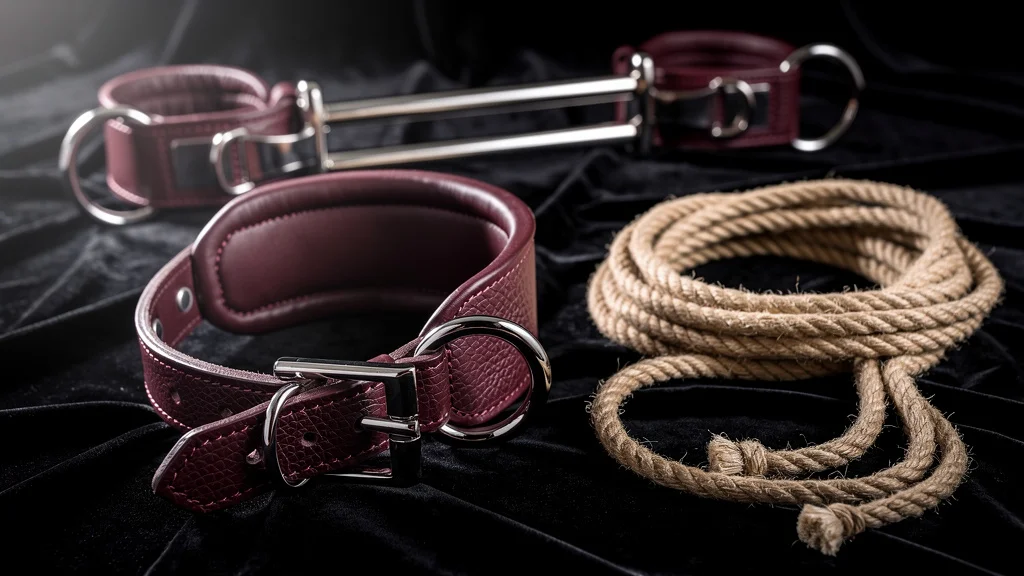
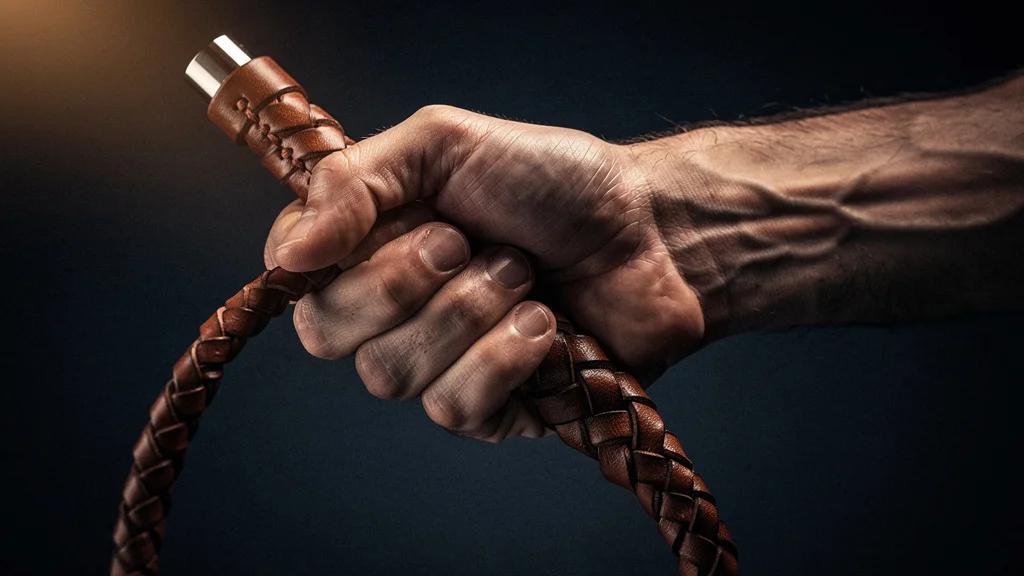
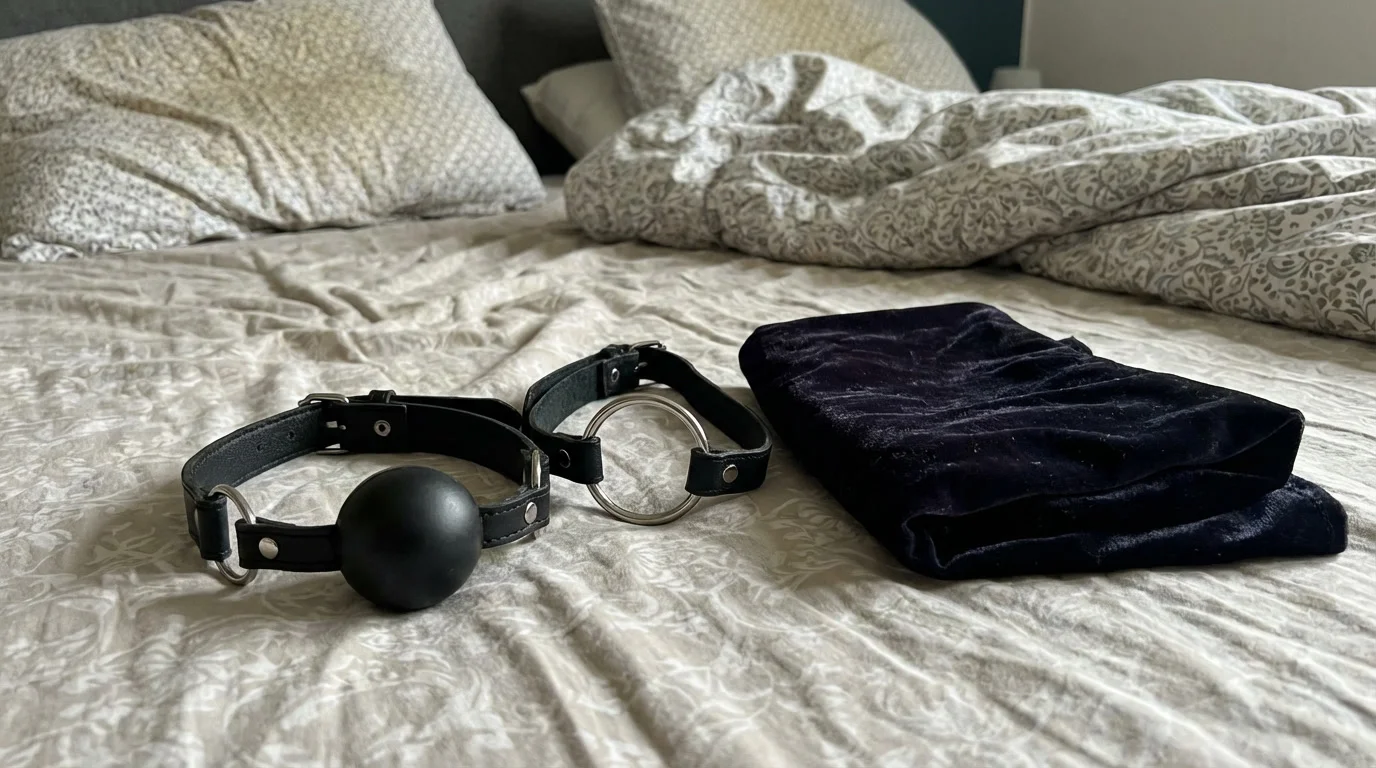
Ready to discover your dominant archetype? Take the 5-minute quiz — understand which sensory tools will feel like extensions of who you already are, not performance of who you think you should be.
Explore the complete arsenal:
- ← Back to The Dominant’s Arsenal
- Restraints & Bondage Equipment — Combine deprivation with physical control
- Gags & Silencing Guide — Layer visual and verbal deprivation
- Impact Toys Guide — Blindfolded impact transforms the experience